
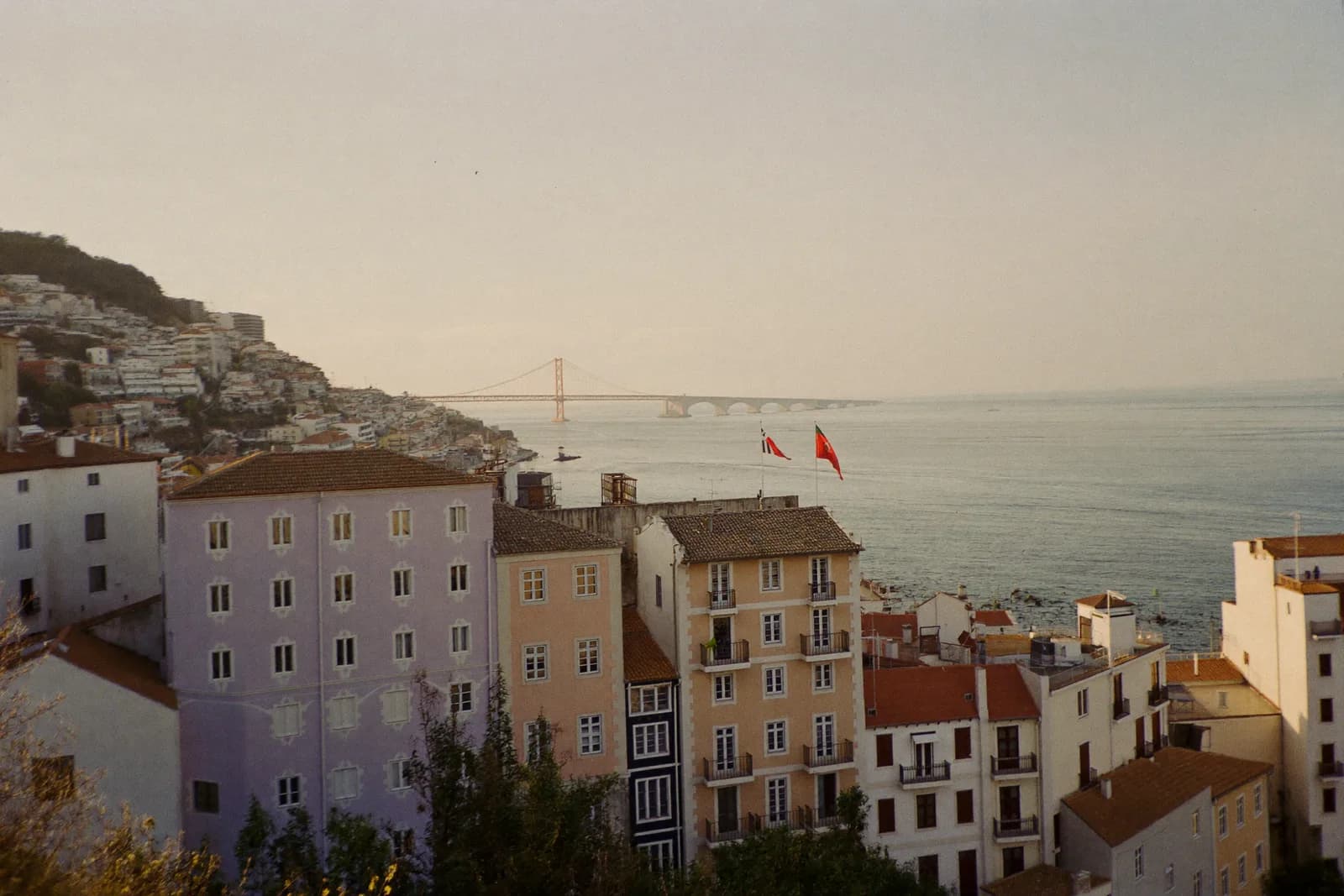
Study in Portugal
Comparatively moderate study and living costs, a growing range of English-taught programmes and a welcoming environment for international students.
Portugal may suit you if…
- You want to study in Europe at a comparatively moderate cost.
- You prefer a mild climate and a more relaxed pace of life.
- You are interested in technology, marine science or tourism management.
- You would like to learn Portuguese, a language spoken around the world.
Advantages and trade-offs
Portugal has much to offer, but it is important to weigh the opportunities against the practical challenges.
Advantages
- Comparatively moderate study and living costs
- A growing range of English-taught programmes
- Mild, warm climate and a generally safe environment
- Well-established universities and polytechnic institutions
- Growing technology and innovation sectors
Trade-offs
- Local salaries can be relatively low
- English-taught undergraduate options are more limited than postgraduate options
- Administrative processes can sometimes take time
- Accommodation can be significantly more expensive in Lisbon and Porto
What you can study
Portugal's higher-education system includes universities and polytechnic institutions. Study options include:
- Portuguese language courses
- Undergraduate (Licenciatura) degrees
- Integrated master's programmes
- Master's (Mestrado) degrees
- Polytechnic and applied programmes
- PhD and doctoral research
Popular subjects
- Computer science and technology
- Business and management
- Marine and environmental science
- Tourism and hospitality
- Engineering
- Medicine and health sciences
- Architecture
Getting in
General entry requirements
International applicants normally apply directly to a university or polytechnic institution. Eligible non-EU applicants to undergraduate and integrated master's programmes may apply through Portugal's international student admission route.
Entry requirements vary by institution and programme and may include recognised school-leaving qualifications, subject requirements or entrance examinations. Master's and doctoral applicants are assessed according to the requirements set by the individual institution.
Language requirements
English-taught programmes may require evidence of English proficiency, such as a recognised language test, although accepted evidence varies by institution and programme. Portuguese-taught programmes normally require appropriate Portuguese-language proficiency.
Typical intakes
September is the main intake, with a February intake available at some institutions. Application dates vary significantly, and institutions may run several application phases. Check the deadlines for your chosen programme.
When each stage happens
This is an indicative planning timeline, counted back from your intended start date. It is not a substitute for an institution's actual deadlines.
10–12 months before
Research programmes, compare entry requirements and confirm the appropriate admissions route.
8–9 months before
Prepare documents and arrange any required recognition, translation or legalisation.
6–7 months before
Submit applications in the relevant application phase.
4–5 months before
Accept an offer and, if required, begin the student visa process.
2–3 months before
Arrange accommodation, travel and other pre-departure essentials.
What it costs, realistically
Tuition guidance
Tuition at public institutions can be comparatively moderate by western European standards, but fees for international students are set by the individual institution and programme. Private institutions may charge more. Always check current fees, deposits and payment schedules directly with the institution.
Living costs
Living costs can be comparatively moderate, particularly outside Lisbon and Porto. Accommodation in these two cities has become considerably more expensive. Student residences are available but places may be limited, so many students consider shared private accommodation.
Scholarships
Scholarships, tuition reductions and other funding may be available through individual universities, external organisations and specific programmes. However, students admitted under Portugal's international student regime are generally not eligible for the standard DGES study grant. Eligibility and funding vary, so check directly with the institution and relevant scholarship provider.
Tuition, living costs, admission requirements, deadlines and immigration rules vary by institution and applicant and can change. Confirm current information with the institution or relevant government authority before making financial or travel commitments.
Visa process overview
Non-EU/EEA/Swiss students will normally need the appropriate residence visa for study and, where applicable, a residence permit in Portugal. Requirements can include evidence of admission, sufficient means of support, accommodation and other supporting documents. Start early and check the latest requirements with the Portuguese authorities and the consular post responsible for your application.
Work and post-study options
Work during study
Higher-education students holding the relevant Portuguese residence authorisation may undertake employed or self-employed professional activity alongside their studies, provided it remains complementary to the activity for which their residence status was granted.
After study
Post-study options depend on the qualification completed. Graduates may be able to remain in Portugal to move into employment or self-employment.
Graduates of eligible master's and doctoral programmes can apply for a period of up to one year to look for suitable work or establish a business in Portugal that is compatible with their qualifications. Bachelor's graduates follow a different route linked to taking up employment or self-employment.
Eligibility and procedures should always be checked with AIMA before relying on a particular route. Immigration decisions are made by the relevant authorities. This page provides general information, not individual immigration advice.
Popular cities
- Lisbon
- Portugal's capital offers a wide choice of institutions, a busy international atmosphere and some of the country's highest accommodation costs.
- Porto
- A northern city with established universities, a lively student community and a growing innovation scene.
- Coimbra
- A historic university town centred on one of Europe's oldest universities.
- Braga
- A youthful university city with a growing technology sector and living costs that can be lower than in Lisbon or Porto.
- Aveiro
- A coastal city known for its canals and study opportunities in engineering, technology and design.
Selected institutions and education providers
Portugal offers several types of higher-education institutions, including:
- Public universities
- Polytechnic institutes
- Private universities
- Specialist management and technology schools
Studying in Portugal: frequently asked questions
Official sources and further information
- DGES — International students: eligibility and admissions
- DGES — Study grants and eligibility
- AIMA — Residence permits for higher-education students (Article 91)
- AIMA — After study: bachelor's graduates (Article 122)
- AIMA — After study: eligible master's and doctoral graduates (Article 122)
- Diário da República — Law 23/2007, as amended (Articles 91, 97 and 122)
- Portuguese Ministry of Foreign Affairs — Visa information
Content owner: Temitope Shobowale (Sarah), Student Advisor
Reviewed by: Mahin Shafiei, Director & Special Case Advisor
Last reviewed: 7 September 2026
Related reading
Check if Portugal fits your profile
Tell us about your academic background, budget and preferred start date. We will help you understand whether studying in Portugal is a realistic option and identify other destinations worth considering if it is not.